 Tajuddin Foundation
Peace, Equality & Healing Hearts.
Tajuddin Foundation
Peace, Equality & Healing Hearts.
Blog
Nature's Remedy
Alternative and Complementary Medicine is the only option of a sustainable, economical and side-effect free future.
Herbal Medicine at glance
- Font size: Larger Smaller
- Hits: 4887
- Subscribe to this entry
- Bookmark
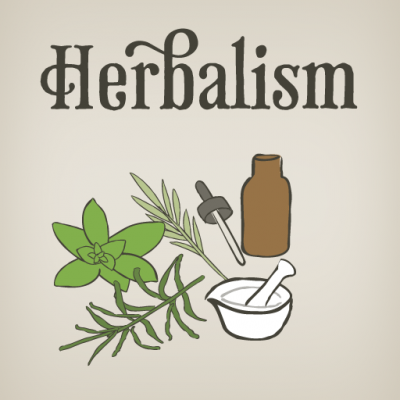
What is herbal medicine?
Herbs have played a major part in medicine for thousands of years. Today Herbal Medicine comes under CAM (Complementary and Alternative Medicine) with the rest of the diverse medical and health care systems, practices, and products that are not generally considered part of conventional medicine.
Every culture and every medicinal system, from Unani Medicine to Ayurveda to Traditional Chinese Medicine, have used herbs for therapeutic purposes. There are thousands of herbs with thousands of different uses, many of which are used in conventional medicine as well as for natural remedies.
Herbs are widely used nowadays, in teas, vitamins and natural supplements. While the benefits of herbal medicine are vast, it is important to understand the basis of herbal medicine and to recognize that some herbs can have negative impacts on health. Just allow in USA according to the National Center for Complementary and Integrative Health (NCCIH) more than 40% of the adults aged 18 years or older are using some form of CAM.
What are the principles of herbal medicine?
Herbalism is designed to use herbs to treat the underlying causes of disease in a client. Instead of looking at the signs and symptoms and then treating the disease, herbalists look at the whole picture, from lifestyle to physical stress or, in order to prescribe the right treatment.
Once the cause of a condition is discovered, the herb is prescribed to restore the body's natural balance. Herbalism is understanding how different herbs work with the body to restore balance and health.
Herbs are also used in many traditions as a preventative action to boost immune function and promote general wellbeing before any disease occurs.
While many pharmaceutical companies use the active ingredients found in herbs in their products, herbalists believe in something called "herbal synergy," which means that in order for the herb to be as safe and effective as possible, it is important to use the whole plant instead of extracting only the active ingredients. For instance, meadowsweet contains salicylic acid, which is the active ingredient in aspirin. While aspirin alone often causes issues in people who have sensitive stomachs, meadowsweet also contains tannin and mucilage, which work to protect the stomach from the salicylic acid.
Are there different types of herbal medicine?
There are many different types of herbal medicine with roots in many different traditions. For more information on different medicinal systems that use herbs, see Unani Medicine, Ayurveda, and Traditional Chinese Medicine.
How are herbs prepared?
Decoctions are made by boiling barks, roots and berries to extract the active ingredients. The liquid is strained and can be taken either hot or cold.
Tinctures are made by soaking herbs in water and alcohol to extract and preserve the active ingredients. The liquid is then stored in small bottles and taken with water.
Infusions are made like teas. Boiling water is poured over the herb and is left to sit for about 10 minutes, creating a liquid to be taken as a hot drink or medicine.
Infused Oils are made with chopped herbs and oil. The mixture is either placed in a bowl over boiling water, or left to infuse in the sunlight.
Creams are made from herbs and either oil or fat. The mixture simmers for about three hours before it is strained and set in dark bottles.
Ointments are also made from herbs combined with either oil or fat. The ointment is then heated quickly over boiling water before it is strained and set.
What are the benefits of herbal medicine?
Herbal medicine can be very useful for treating many different illnesses from minor scrapes and burns to serious diseases. Herbal medicines are mostly used for persistent illnesses such as migraines, arthritis, depression and PMS.
Herbal remedies are easy to take, and many herbs can be grown at home, so they are often more convenient for minor conditions. It is important to note that herbal remedies cannot replace conventional treatments in many cases, and that not all herbs are safe for human ingestion.
What are some commonly used herbs?
- Echinacea - often used in tinctures or powders to reduce symptoms of the common cold and flu. It is also used for infections, particularly those of the kidney.
- Garlic - used to reduce cholesterol levels and blood pressure, as well as for treating infections. It can be taken fresh, as a powder, as oil or as a juice.
- Ginger - commonly used to reduce nausea, to reduce symptoms of colds and chills through sweating and to boost circulation. It can be taken fresh, dried, or as oil.
- Cinnamon - It helps the body fight infections and repair tissue damage, has anti-inflammatory properties. It has been linked with reduced risk of heart disease, help in type 2 diabetes, It reduces levels of total cholesterol, LDL cholesterol and triglycerides, while HDL cholesterol remains stable.
- Gingko - most commonly used to improve memory. Gingko improves circulation, particularly to the brain, though it is also used to regulate irregular heartbeats and to reduce symptoms of dementia. It is usually taken as a tincture or an infusion.
- Ginseng - used to boost the immune system and decrease fatigue. It is also used for lungs conditions such as coughs, and to reduce blood pressure. The root is taken as a powder, tincture, or decoction.
- St. John's Wort - used as an anti-depressant, for anxiety, irritability and exhaustion. It can also be used topically for burns and inflammations. St. John’s Wort is usually taken as an infusion, tincture or cream.
- Lavender - popular as aromatic oil, and can be used to treat a wide variety of ailments from exhaustion to headaches, and indigestion to depression. It is commonly taken as an infusion, tincture, mouthwash, cream, lotion, massage oil, chest rub, hair rinse or oil.
- Chamomile - a popular herb used for indigestion, stress relief, anxiety, and insomnia. It is also used for asthma and bronchitis. It can be taken as an infusion, tincture, ointment, inhalation or mouthwash.
Can I use herbs on my own?
Many people use herbs as daily supplements, or to treat specific ailments. While it usually safe and effective to do so, it is important to educate yourself on the correct way to use each herb, as some are not safe to ingest. For this reason it is always recommended to get opinion of a Naturopathic Doctor or a qualified Herbalist.
If you do decide to take an herbal supplement, it is important to let your health care provider know, as many herbs interact with other forms of medicine.