
 Tajuddin Foundation
Peace, Equality & Healing Hearts.
Tajuddin Foundation
Peace, Equality & Healing Hearts.
Nature's Remedy
Alternative and Complementary Medicine is the only option of a sustainable, economical and side-effect free future.
Top 10 Natural Heart Health Supplements
- Font size: Larger Smaller
- Hits: 29216
- Subscribe to this entry
- Bookmark
Here are the Top 10 Natural Heart Health Supplements based on popularity.
FISH OIL - OMEGA 3 FATTY ACIDS
Fish Oil contains the highest amount of Omega-3 Fatty Acids... and Omega-3 fatty acids benefit the heart of healthy people, and those at high risk of — or who have — cardiovascular disease. Research has shown that omega-3 fatty acids decrease risk of arrhythmias (abnormal heartbeats), which can lead to sudden death. Omega-3 fatty acids also decrease triglyceride levels, slow growth rate of atherosclerotic plaque, and lower blood pressure.
CoEnzyme Q-10 (COQ10)
The beneficial effect of CoQ10 in the prevention and treatment of heart disease is due to its ability to improve energy production in cells, inhibit blood clot formation, and act as an antioxidant. Multiple studies have found that people who received daily CoQ10 supplements within 3 days of a heart attack were significantly less likely to experience subsequent heart attacks and chest pain. In addition, these same patients were less likely to die of heart disease than those who did not receive the supplements.
GARLIC

Scientists have studied garlic fairly extensively as it relates to the treatment of hypertension and hyperlipidemia and it seems to be effective in lowering blood pressure and cholesterol in individuals who take it on a regular basis. The active component of garlic is an amino acid called alliin which is further converted to allicin and other active metabolites.
RED YEAST RICE EXTRACT
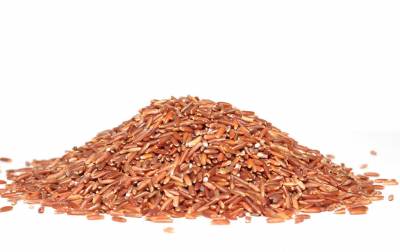
About a dozen naturally occurring compounds in red yeast are chemically related to statins, the widely prescribed pharmacuticals renowned for their cholesterol-reducing powers. In addition, red yeast raises HDL, (good) cholesterol to more desired levels. Increases in HDL levels boost cardiovasculr health since HDL cholesterol helps eliminate LDL cholesterol from the bloodstream. The less LDL that’s present, the less chance you have of developing the blockages that cause heart disease.
NIACIN
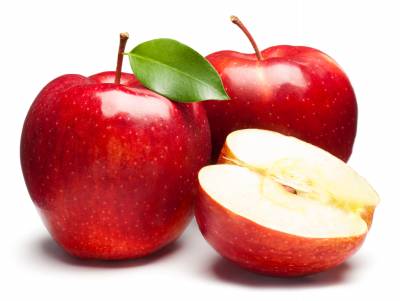
A recent study shows vitamin B3, also known as niacin, lowers bad cholesterol more effectively than a common statin drug, ezetimibe, sold as Zetia. Statins inhibit the absorption of cholesterol from the intestine, which then reduces the amount of LDL (bad cholesterol) in the blood stream. Since high cholesterol has been linked to cardiovascular disease, lowering LDL levels has been widely adopted as good preventive medicine.
VITAMIN D

A growing body of evidence suggests that vitamin D deficiency increases the risk of heart disease and is linked to other, well-known heart disease risk factors such as high blood pressure, obesity, and diabetes. Several large studies have shown that people with low vitamin D levels were twice as likely to have a heart attack, stroke, or other heart-related event during follow-up, compared with those with higher vitamin D levels.
MAGNESIUM
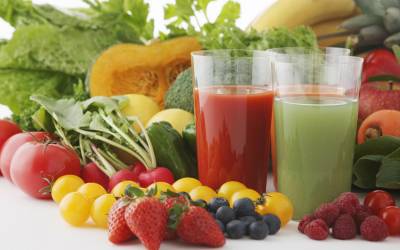
Large studies have linked magnesium deficiency to high blood pressure, while some have shown an association between magnesium supplements and a decreased risk of death from heart disease. A higher intake of magnesium may reduce the risk of developing type 2 diabetes and adults with diabetes are two to four times more likely to have heart disease or a stroke than adults without diabetes.
NATTO
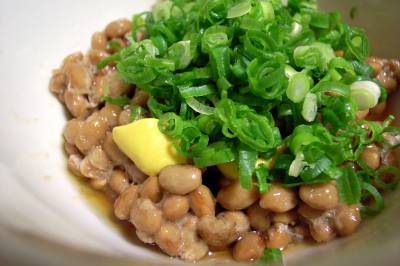
Atherosclerosis, or hardening of the arteries, occurs when the normal lining of the arteries thickens, and deposits of fat and plaque build up, causing narrowing (or even blockage) of the arteries. An enzyme in natto, dubbed nattokinase, binds to fibrin and breaks it down. It helps to improve blood viscosity and reduce blood clots by enhancing the fibrinolytic properties of the blood.
HAWTHORN BERRY

Hawthorn has a relaxing effect on the arteries, in turn improving circulation that facilitates healthy blood pressure. Hawthorn has been shown to enhance the flow of blood through the heart while helping the heart beat tone up (inotropic effect). In fact, hawthorn was found to be far friendlier and more energy efficient as it helps the heart muscle contract to produce an effective beat, compared to drugs that seek to do the same thing.
GUGGUL
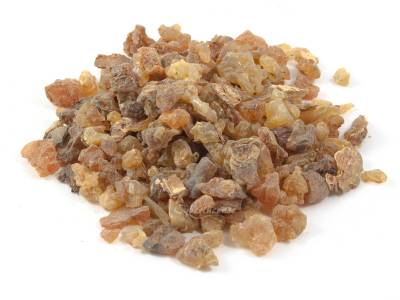
Guggul is made from the sap (gum resin) of the Commiphora mukul tree, which is native to India. Guggul gum resin is used for arthritis, lowering high cholesterol, “hardening of the arteries” (atherosclerosis), acne and other skin diseases, and weight loss. Guggul contains substances that lower cholesterol and triglycerides. One of these substances also decreases the redness and swelling that occurs in some types of acne.